Discreet braces for teens
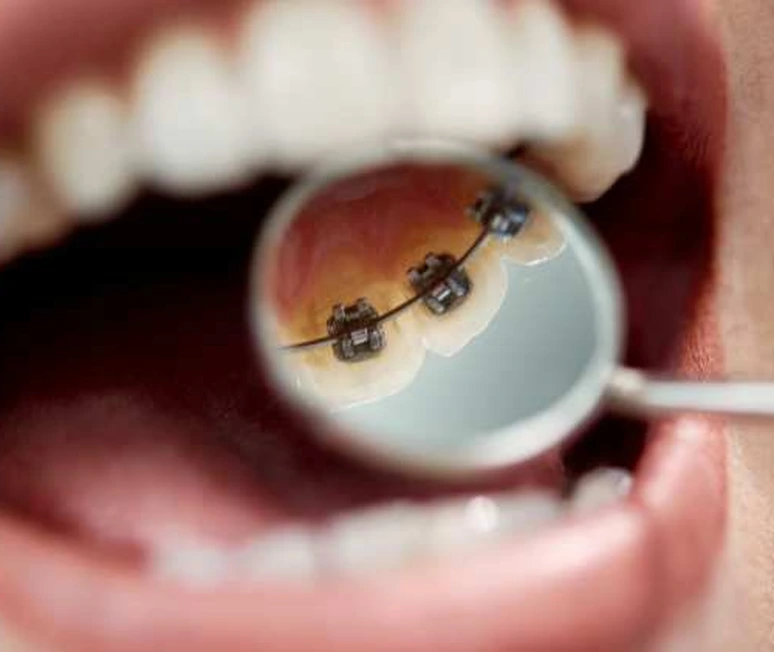
All the effectiveness of braces, none of the visible hardware. Lingual braces sit on the inside of the teeth — virtually invisible from the outside, yet fully fixed and always working.
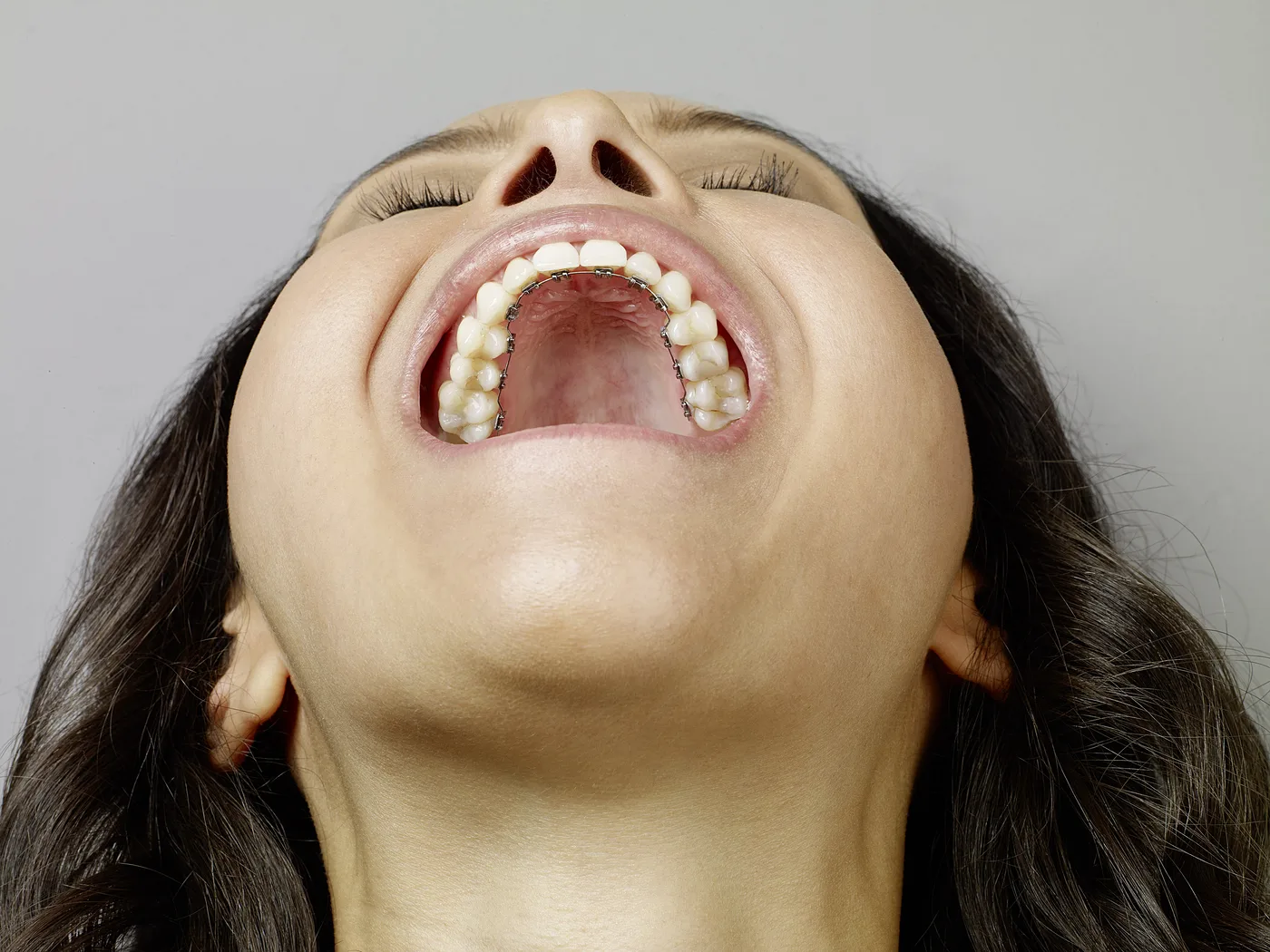
Braces hidden behind the teeth
Lingual braces are small attachments and wires fixed to the inside (tongue side) of the teeth, so they're hidden from view. Each set is 100% customised to the shape of your teen's mouth for a precise, comfortable fit.
For self-conscious teens — or those who simply don't want braces on show in photos and at school — they offer a way to straighten confidently without anyone needing to know they're there.
Comfortable, once they're in
Because they sit against the tongue rather than the lips and cheeks, there's a short adjustment period — your teen's tongue may feel the braces for the first week or so, and speech settles quickly after that.
Once they've adapted, most teens barely notice them day to day. Lingual treatment is more specialised than standard braces, so it's always planned and placed by our Specialist Orthodontists.


Discreet braces vs clear aligners
Both are discreet, but they work differently. Lingual braces are fixed, so they're always working and there's nothing to remember to wear — while Invisalign® is removable and relies on consistent wear. For some cases, fixed braces also give the orthodontist more control.
Prefer brackets on the front instead? Compare metal and LightForce™ custom braces — your Specialist Orthodontist will help you weigh up which fits your teen best.
Teen discreet braces FAQ
Because they sit on the inside of the teeth, lingual braces are virtually invisible from the front — most people won't realise they're there at all.
There's a short adjustment period — the tongue may feel the braces for the first week or so, and speech settles quickly. After that, most teens get used to them well.
Lingual braces are fixed and always working with nothing to remember, while Invisalign® is removable and depends on consistent wear. We'll help you pick the best fit at the consultation.
Typically somewhere between 12 and 24 months, depending on how much movement is needed. Your Specialist Orthodontist will estimate this at the consultation.